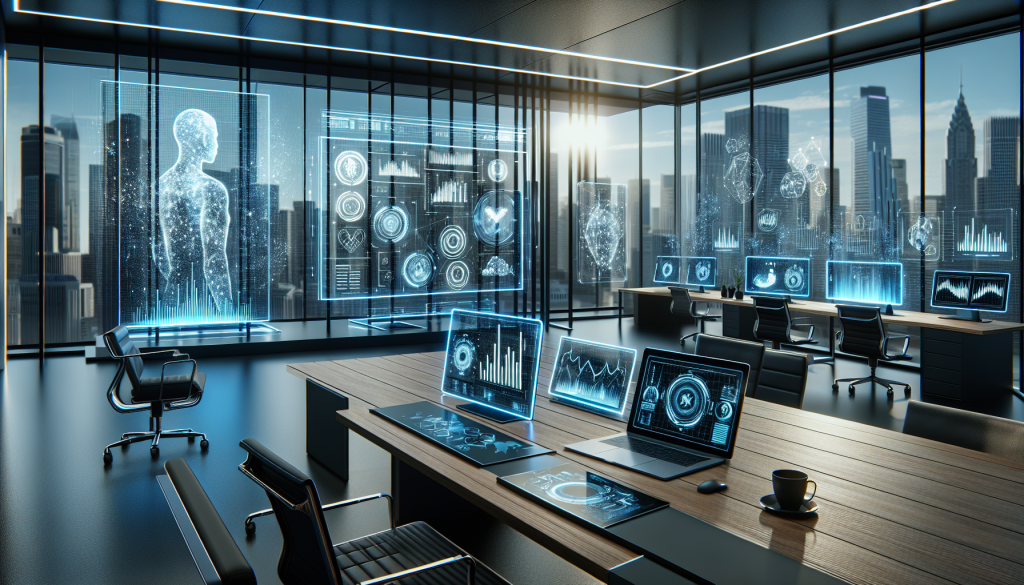
The Rise of Co-Automation in Modern Industry and Beyond
In an era where technological advancements are redefining the contours of modern industry, co-automation is emerging as a pivotal force. As industries seek innovative solutions to enhance efficiency, reduce costs, and maintain competitive advantages, co-automation offers a bridge between human expertise and machine-driven precision. But what exactly is co-automation, and how is it transforming industries both large and small?
Defining Co-Automation
Co-automation refers to collaborative automation systems where human workers and automated machinery operate in tandem, each complementing the strengths of the other. Far from the traditional view of automation that centers around complete human displacement, co-automation is about enhancing human capabilities through the integration of advanced technologies.
This collaborative approach has been instrumental in fields as varied as manufacturing, healthcare, logistics, and more. Companies like CoAutomation are pioneering efforts to develop firmware for devices that log, measure, or control various industrial processes, highlighting a trend towards greater integration of human expertise and automated systems.
Co-Automation in Action: Industry Applications
The Human-Machine Symbiosis
At its core, co-automation is about leveraging technology to enhance human capabilities rather than replace them. This human-machine symbiosis is evident in sectors like HVAC systems, where companies such as CoolAutomation provide smart solutions for energy management and systems integration. These advanced systems offer energy savings, enhanced service, and reduced costs, benefiting both service providers and consumers.
By allowing machines to handle mundane and routine tasks, co-automation empowers workers to engage in more meaningful and strategic roles. This evolution in workforce dynamics not only improves job satisfaction but also fosters innovation as employees focus on higher-order problem-solving tasks.
Challenges and Opportunities
While co-automation presents numerous opportunities, it also poses several challenges that need addressing. As it requires a sophisticated blend of hardware, software, and human interaction, implementing co-automation systems can be complex and costly. Companies must invest in training and change management to ensure that workers are equipped to work alongside these new systems effectively.
Additionally, there are concerns regarding data privacy and security, especially in fields like healthcare and industrial manufacturing where sensitive information is processed. Robust security measures and compliance with regulations are crucial to mitigate these risks.
Despite these challenges, the potential benefits of co-automation are manifold. As businesses strive for greater competitive edges, the emphasis on smarter automation solutions will only grow. This demand is reflected in the increasing partnerships and collaborations across industries, such as the ones highlighted by The Automation Company, which helps businesses integrate automation into their operations seamlessly.
A Look to the Future
The future of co-automation is bright and promising, with endless possibilities for innovation and progress. As more industries recognize the value of a collaborative approach, we can expect to see co-automation expand beyond traditional sectors into new territories. From digital marketing agencies to governmental trade facilitation, the reach of co-automation is vast and continually evolving.
Ultimately, the rise of co-automation marks a significant shift towards more integrated and intelligent industrial ecosystems. By fostering an environment where humans and machines work collaboratively, industries can achieve new heights of productivity and innovation, creating a future that is both automated and human-centric.
In conclusion, co-automation is not just a technological advancement; it’s a transformative force that promises to reshape industries and societies. As we continue to explore its potential, the key will be to maintain a harmonious balance between human creativity and automated precision, unlocking new avenues for growth and progress in the modern world.